Cozy Luxury Reading Nook Ideas for Any Corner of Your Home
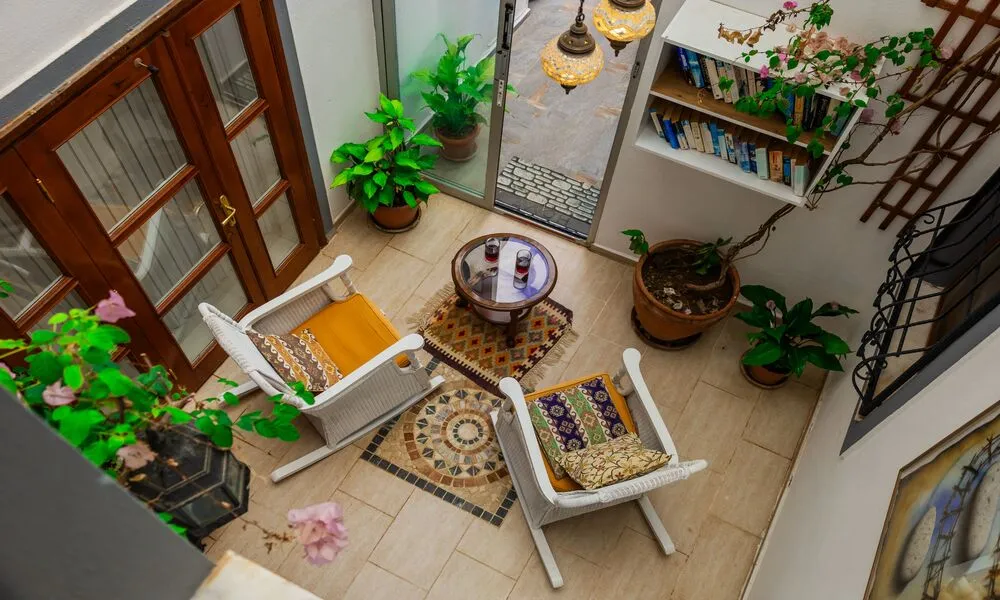
Pull up a few reading nook photos on Pinterest and the same problem shows up pretty quickly: the corner in the photo is already perfect.
There is a huge window. Enough room for an oversized chair. Built-in shelves. No radiator, no closet door swinging through the space, and apparently nobody in the house needs to walk past it.
Real rooms are less cooperative.
You might have a narrow gap beside the sofa, an empty bedroom corner that keeps collecting clothes, or a window wall that would be useful if half of it were not taken up by a radiator. That does not mean the space cannot become a good place to read. It just means the setup has to start with the corner you actually have.
These reading nook ideas are organized that way. Find the part of your home that sounds familiar, then steal the setup that fits it.
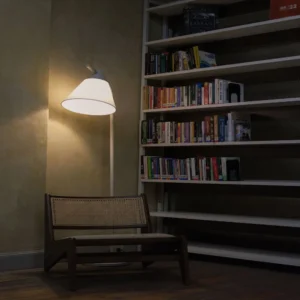
Before You Pick a Chair, Check What the Corner Is Doing Now
An empty corner is not always unused space.
It may be part of the route to another room. A door may swing across it. You might need that floor area to open a drawer, reach a window, or simply walk through the room without turning sideways.
That is worth figuring out before you fall in love with a chair.
If you are working with a tight living room, our guide to small living room furniture spacing and proportions can help you think through the wider layout first.
The Corners That Are Already Waiting for a Purpose
1. Give a Plain Empty Corner One Comfortable Job
The simplest setup is still one of the best: a chair you genuinely enjoy sitting in, useful lighting, and somewhere nearby to put down a book or drink.
Start with the chair rather than buying accessories around an imaginary one. If you read for long stretches, the way the seat feels matters more than whether it looks perfect against the wall.
A single substantial piece can also make the nook feel more settled. You do not need five small decorative objects to convince people that the corner is intentional.
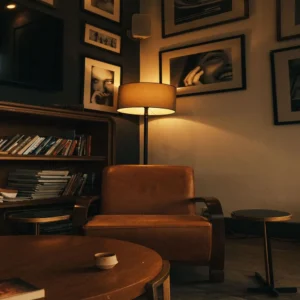
2. Use a Slimmer Seat in a Narrow Gap
A narrow corner is not a challenge to see how much furniture you can squeeze into it.
If a deep armchair pushes too far into the room, try a slipper chair, compact accent chair or upholstered bench instead. You may give up the sink-in feeling of a large chair, but you keep the rest of the room usable.
In a very tight setup, rethink the lamp too. A large floor lamp may claim more floor space than the chair itself needs. A compact table lamp or plug-in wall light can be easier to live with.
3. Turn the End of the Sofa Into a Second Seat
If there is open space beside one end of the sofa, a chair can belong to the main living area while still working as a reading spot.
Angle it slightly toward the room instead of automatically pointing it at the TV. That makes the chair useful when guests are over and gives it another purpose when you want to sit somewhere other than the sofa.
This can work especially well when there is no obvious TV wall. Our guide to living room layouts without a dedicated TV wall explores a few ways to arrange furniture around conversation, fireplaces and windows instead.
4. Put the Chair Beside the Books, Not in Front of Them
A bookshelf can make a natural partner for a reading chair, but it does not have to become a full library wall.
A tall, heavily packed bookcase beside a small chair can make the whole setup feel visually crowded. In some rooms, a lower shelf or a narrow bookcase holding the books you are currently reading works better.
The chair is still the place you came to use.
5. Claim the Fireplace Side Without Blocking the Room
A fireplace corner often works better with a chair positioned slightly off to one side than directly in front of the fire.
You still get the warmth and focal point of the fireplace, but the chair does not become an obstacle between the rest of the furniture and the hearth.
It also gives you a useful spot during the months when the fireplace is not on, as long as you provide proper reading light.
When a Window Is the Best Thing About the Space
A window can give a reading nook daylight and a view, but it should not dictate the entire furniture arrangement.
6. Sit Beside the Window Instead of Facing Straight Into It
A chair placed slightly to one side can give you the benefit of daylight without putting the brightest part of the room directly in your sightline.
Try the spot at the time of day you are most likely to read. Morning light and late-afternoon sun can make the same corner feel completely different.
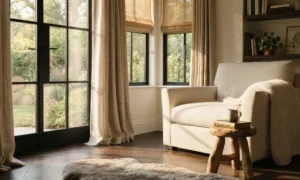
7. Let a Bay Window Stay a Bay Window
A bay window already has architectural character. Filling every inch with furniture can make it feel smaller.
If there is enough depth, a chair may fit beautifully. If the bay is shallow, a bench with a fitted cushion may use the shape better and leave more of the window visible.
The dimensions of the bay should make that decision for you—not whichever option looked best in someone else’s house.
8. Work Around the Radiator Instead of Pretending It Isn’t There
That beautiful built-in window seat you saved may not make sense if your window wall is occupied by a radiator or other heating element.
A chair beside the window can be the easier answer. You still get daylight and a view without forcing furniture into a space that already has another job.
It may not be perfectly symmetrical. A usable room does not need to be.
9. Use an Existing Window Ledge or Bench
If the room has almost no spare floor, look for a seat you already own in architectural form.
A wide window ledge, built-in bench or sturdy storage seat can become a reading spot with a comfortable cushion and practical lighting.
This is one of the more useful small-space reading nook ideas because it does not ask the room to absorb another piece of furniture.
10. Make a Bedroom Window Corner Feel Separate From the Bed
In a bedroom, even a small chair near the window can give the room a second purpose.
The scale matters, though. If the bed already dominates the room, another oversized chair can make the layout feel accidental rather than comfortable.
The same principle comes up when fitting other furniture into a compact bedroom. Our guide on adding a desk to a small bedroom without making it feel like an office is useful here too: fitting is not the same thing as belonging.
The Weird Spaces Nobody Knows What to Do With
Some corners are awkward because the architecture has already made the furniture decisions more complicated. That can actually make them good candidates for a reading nook.
11. Let an Alcove Do Some of the Work
An alcove already gives you walls around the seating area, so you may not need a rug, screen and several pieces of furniture just to make the nook feel separate.
A deep alcove may hold a compact chair. A shallow one may work better with a bench or low seating.
Measure the depth before deciding which version you have.
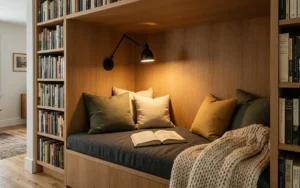
12. Go Low Under the Stairs
The sloping ceiling under a staircase can look charming until you lean back and discover exactly where your head lands.
Before buying anything, sit in the space. In many cases, a low bench or floor cushion will work better than a tall chair simply because the ceiling leaves no room for one.
Plan the lighting early as well. These areas are often tucked away from windows.
13. Use a Wide Hallway Carefully
A genuinely wide hallway can accommodate a shallow bench and become an unexpected place to sit.
The important word is genuinely.
If the furniture forces people to squeeze past, the hallway is doing more work than the nook is worth. A wall-mounted or compact light can help keep the floor clearer.
14. Convert a Closet Only if You Can Actually Spare It
A closet reading nook can look wonderfully tucked away.
But removing storage from a small home does not create extra space. It usually moves the problem somewhere else.
If the closet is genuinely underused, a compact chair or bench can work inside it. For renters, freestanding pieces are easier to remove later than a complete built-in transformation.
15. Use the Landing if It Is More Than Just a Passage
A wide stair landing can sometimes offer a quiet spot that the main rooms do not.
Only use it if there is enough space to sit without interfering with the stairs or everyday movement. A compact chair and wall-side lighting are usually more sensible here than trying to build a full lounge.
Small Homes Need a Different Kind of Nook
If every square foot already has a job, the best reading nook may be something that changes function rather than permanently occupying new space.
16. Repurpose the Bedroom Chair That Became a Laundry Pile
You probably know the chair.
It was bought because the bedroom had an empty corner. Now it holds jeans that are not quite dirty, a sweater you might wear again, and at least one thing that definitely belongs somewhere else.
Give it a reason to stay. Move it toward a useful lamp, keep a book within reach, and clear the floor around it so the chair reads as seating again rather than overflow storage.
17. Try Floor Seating If You Actually Like Sitting on the Floor
Floor cushions can be comfortable, especially in a small attic room or deep recess.
They are not automatically comfortable for everyone.
A thick cushion and supportive back pillow can make the setup work, but if getting down and back up already feels inconvenient, a compact chair will probably get used more often.
18. Pair a Chair With an Ottoman Instead of Buying a Chaise
A chaise is great if you like changing position while reading, but it needs more floor depth than many rooms can spare.
A chair and ottoman can offer some of that flexibility while letting you move the ottoman when the room needs more open space.
19. Build a Reading Spot Into an Open-Plan Zone
In an open-plan home, the chair does not necessarily need a divider around it.
Sometimes changing the chair’s orientation or placing it in relation to an existing rug is enough to make it feel like part of a defined area.
If you are dealing with a studio or open-concept layout, our guide to defining a living room without adding walls explores when furniture placement is enough and when an actual divider makes sense.
20. Keep the Rental Version Free to Move
A rental-friendly nook does not have to look temporary.
A comfortable chair, portable lamp, small shelf and a movable rug can create a complete setup without turning the project into something you have to undo when you leave.
That flexibility can be useful even if you are not renting. Corners change when rooms get rearranged.
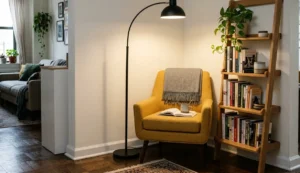
What Makes a Reading Nook Feel Cozy Luxury Rather Than Just Decorated?
Usually, not more stuff.
A cozy luxury reading nook tends to work when the useful parts have been given more attention than the decorative ones. The chair is comfortable. The light reaches where you need it. The table is close enough to use. The materials connect with the rest of the room instead of looking like they were bought for one staged photograph.
Start with one visual anchor. That might be a substantial chair in a larger corner or an interesting lamp in a smaller one. When every object is tiny and decorative, the nook can start to feel assembled from leftovers.
Repeat something that already exists in the room. Pick up a wood tone, a muted curtain color or a metal finish already used elsewhere. The furniture does not need to match, but one or two connections help the nook feel like it belongs.
Test the light while sitting down. A lamp can look beautiful from across the room and still throw a shadow across your book. Decorative mood lighting and practical reading light are not always the same thing.
And make the side table earn its place. If you regularly need somewhere for glasses, a drink, an e-reader or a notebook, keep one within reach. If it is only there because every Pinterest photo has a little table beside the chair, leave the floor clear.
That is also why a smaller nook can sometimes look more considered than a larger one. You are not trying to decorate every available inch. You are giving one corner a clear purpose and then stopping when it has what it needs.
Before You Call the Corner Finished
Sit there with an actual book.
Can you reach the light without getting up? Is there somewhere to put down your drink? Can someone still walk through the room? Does the chair feel good after twenty minutes, not just when you first sit down?
If yes, leave it alone for a few days before adding anything else.
A reading nook does not need to announce itself with shelves, baskets, candles and six cushions. Sometimes the best version is just the corner that finally has a comfortable chair, good light and enough room for you to disappear into whatever you are reading.
If you are creating your nook inside a bedroom and want the rest of the room to feel equally warm, you may also like our cozy bedroom decor ideas that still feel luxe on a budget.