20 Seasonal Decor Ideas for Summer That Look Expensive on Any Budget
Summer decorating does not have to mean buying a house full of new accessories. In fact, some of the biggest changes come from much smaller decisions: lighter fabrics, better proportions, natural textures, a cleaner color palette, and a little more empty space.
That is where these Seasonal Decor Ideas for Summer come in. The goal is not simply to make a room look “summery.” Each idea below focuses on a specific styling move that can make an ordinary room feel more polished without turning your budget into a shopping spree.
You will also find a Luxury Trick with each idea. That is the part worth paying attention to. It explains what makes the change look more expensive and how to recreate the effect with affordable pieces you may already own.
Why Summer Decor Can Make a Home Feel More Expensive
A summer refresh works best when you think about the whole room rather than individual decorations. Heavy fabrics, crowded surfaces and too many competing colors can make a space feel visually dense. Lighter textiles, natural materials and carefully chosen accents tend to create a calmer look.
Natural light also becomes a bigger part of the room during summer. Instead of fighting it with dark, bulky layers, use the season as a reason to edit what is already there.
The expensive-looking effect usually comes from editing, scale, texture and consistency. Not from the price tag.
The Luxury Rule:Before buying a seasonal accessory, ask what it actually changes. Does it improve the room’s color, texture, proportion, function or focal point? If the answer is no, skip it.
20 Seasonal Decor Ideas for Summer That Look Expensive on Any Budget
1. Swap Heavy Pillow Covers for Lightweight Linen
The sofa is one of the easiest places to make summer decorations feel intentional because cushions cover such a large visual area. Replace heavy velvet, faux fur or thick winter covers with linen or lightweight cotton in cream, oatmeal, soft blue, muted sage or another color already present in the room.
Keep the arrangement simple. Two larger cushions at the back and one textured accent cushion in front usually looks more considered than a sofa covered with lots of small seasonal patterns.
The Luxury Trick:Spend your money on texture rather than quantity. Keep the existing inserts and buy better-looking covers for them. A slightly rumpled linen texture can look far more sophisticated than several inexpensive patterned cushions.
Budget move: Start with two covers. You can always add another pair later if the room actually needs them.
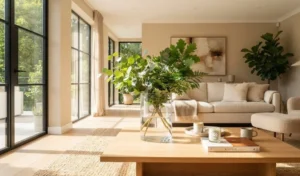
2. Display Leafy Branches in a Substantial Glass Vase
Fresh flowers are not the only way to bring summer indoors. A few leafy branches can create height and movement for very little money, provided you use plant material that is safe and appropriate to cut.
Choose a simple glass vase with enough weight to balance the branches. The arrangement should feel slightly loose rather than perfectly symmetrical.
High-End Swap:Use scale instead of quantity. One tall arrangement can create more impact than several tiny vases scattered around the room. Keep the surrounding surface relatively clear so the branches become the focal point.
3. Replace Heavy Curtains With Lightweight Panels
Window treatments affect the entire color and light balance of a room. If your summer space feels dark or visually heavy, consider lightweight curtains in linen-look cotton, linen or another breathable-looking fabric.
Sheer panels can soften strong daylight, but they are not automatically the best choice for every window. Rooms that receive intense direct sun may need a more functional shade or blind for glare and heat control.
The Luxury Trick:Pay attention to installation before spending more on fabric. Hang curtains high enough to emphasize the height of the room and wide enough that the panels frame the window instead of covering most of the glass.
That small proportion change can make affordable curtains look much more polished.
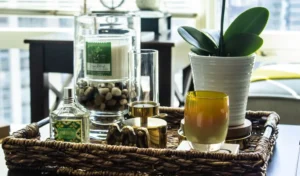
4. Use a Woven Tray to Organize the Coffee Table
Woven materials work beautifully with summer interiors because they add texture without making the room feel heavy. A rattan, seagrass or similar tray can gather a few coffee-table essentials into one deliberate arrangement.
But this is one place where restraint matters. Rattan does not need to appear on the tray, basket, chair, lamp and every other surface in the room.
The Luxury Trick:Use one woven piece against smoother materials. A textured tray on a glass or wood coffee table creates contrast. Fill it with only a few useful objects, then leave some of the table visible.
5. Refresh Wall Art With Bright, Natural Imagery
You can change the mood of a room without changing its furniture. Replace particularly dark artwork with photography, botanical artwork, open-sky imagery or simple abstract pieces that introduce lighter tones.
A beach theme is not required. The idea is to bring in the feeling of openness rather than covering the room in obvious seashells and nautical signs.
High-End Swap:Reuse your existing frames. A new print with a generous border can completely change the presentation while costing much less than replacing the frame as well.
Choose artwork that shares at least one color with the room. That connection makes an inexpensive print feel like part of the original design rather than a seasonal add-on.
6. Replace the Classic Lemon Bowl With a Sculptural Fruit Display
A bowl of lemons can certainly brighten a kitchen, but it has become such a familiar decorating cliché that there are better ways to create the same fresh focal point.
Try a textured ceramic or dark stoneware bowl filled with a small collection of real figs, green apples or artichokes. The contrast between the darker vessel and organic shapes gives the arrangement more visual weight.
The Luxury Trick:Choose one substantial bowl and fill it generously enough to look intentional. Real produce adds natural variation, texture and color. Avoid plastic fruit.
Place the bowl where it is useful too, such as a kitchen island or dining table. Good decor should still make sense in the room.
7. Edit Your Bookshelves for More Negative Space
A crowded bookshelf can make an otherwise beautiful room feel busy. Summer is a good time to remove objects that no longer contribute to the arrangement.
Keep books you actually want to display, then mix them with a few lighter decorative pieces such as ceramic vessels, framed artwork or natural wood objects.
The Luxury Trick:Do not turn every book around to create an artificial white backdrop. Instead, group books by color where it happens naturally and leave a few areas of open shelf space. The empty space is part of the composition.
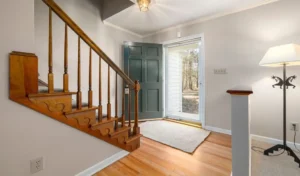
8. Add a Flatweave Rug to the Entryway
A flatweave rug can change the feel of an entryway without requiring new furniture. Natural fibers such as jute can add warmth and texture, while cotton or wool flatweaves offer other options depending on the traffic and maintenance needs of your space.
Think about the size before the material. A beautiful rug that is too small will still make the entryway look unfinished.
The Luxury Trick:Measure the usable floor area first. A correctly sized simple rug will usually look better than an expensive rug that leaves awkward strips of empty floor around the edges.
9. Make the Bedroom Feel Like a Boutique Hotel
The bedroom does not need a complete makeover for summer. Start with the bedding.
Lightweight cotton, linen or percale can create a cleaner summer look than heavy winter layers. Keep the main bedding simple, then add one accent color through a lumbar cushion, throw or small piece of artwork.
The Luxury Trick:Reduce the number of decorative pillows. Two large pillows behind one long lumbar cushion can look more tailored than a collection of small cushions that need constant rearranging.
White is an easy choice, but warm ivory, pale blue, soft green and sandy neutrals can work just as well.
10. Use Terracotta as a Small Accent
Terracotta brings warmth and an earthy quality to summer interiors. It works particularly well with green plants, cream textiles and pale wood.
The key is not to turn the entire room terracotta. One textured pot or sculptural vessel can be enough.
High-End Swap:Pair the rough surface of terracotta with something smooth, such as clear glass, glazed ceramic or linen. Material contrast keeps an inexpensive piece from looking flat or repetitive.
For candle use, only use a container specifically suitable for candles and follow its safety instructions. A decorative plant pot should not automatically become a candle holder.
11. Frame a Botanical Specimen as Artwork
Pressed leaves, ferns and other suitable botanical specimens can make inexpensive artwork when presented simply.
Instead of creating a crowded gallery wall, try one larger frame with plenty of open space around the specimen. The border gives the small natural element more visual importance.
The Luxury Trick:Presentation matters more than the cost of the botanical. A simple specimen in a well-proportioned frame can look much more refined than a wall packed with small decorative pieces.
Only collect plant material where it is permitted and avoid removing protected plants from public or conservation areas.
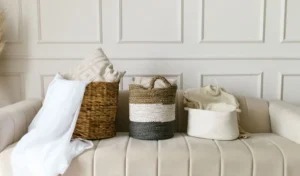
12. Put Heavy Throws Away and Keep One Lightweight Layer Out
Chunky wool blankets can make a summer living room feel visually warm even when the temperature outside is high. Fold the heaviest throws away and keep one lightweight cotton or waffle-texture blanket available for cooler evenings.
A woven basket is useful here, but it does not need to be another piece of rattan if your room already has plenty of woven texture.
The Luxury Trick:Choose one substantial storage basket and give it enough room around it to read as furniture rather than clutter. The basket should solve a storage problem first and decorate the room second.
13. Build a Simple Summer Tablescape Around Linen
A beautiful summer table does not require seasonal dinnerware. Start with the materials you already own.
A linen runner, simple ceramic plates, clear glasses and one floral or botanical centerpiece can create a relaxed setting without looking overly decorated.
The Luxury Trick:Repeat one material instead of adding more objects. Linen napkins with a linen runner, for example, create cohesion without needing matching plates, glasses and accessories.
14. Display One Oversized Green Leaf
One large leaf can sometimes do more for a room than an entire bouquet. A suitable tropical leaf placed in a tall glass or ceramic vessel creates a strong vertical shape with very little visual clutter.
This works particularly well in smaller spaces where a full floral arrangement would compete with the furniture.
The Luxury Trick:Give the leaf room around it. A large sculptural shape needs empty space to look intentional. Keep nearby accessories to a minimum.
15. Turn a Straw Hat Into Wall Decor
A woven sun hat can work as summer wall art, especially in an entryway, bedroom or covered outdoor area.
One oversized hat can look surprisingly elegant. If you have several, vary their sizes and spacing rather than creating a perfectly rigid row.
High-End Swap:Use the natural texture as the feature and keep everything around it quiet. The goal is to make the hat look like an intentional material choice, not a collection of beach accessories.
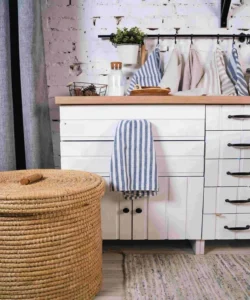
16. Change Kitchen Textiles Before Kitchen Accessories
The kitchen has many small surfaces, so changing textiles can have a bigger effect than buying another decorative object.
Swap dark towels for linen or cotton in cream, white, blue, muted green or a stripe that works with your existing finishes.
The Luxury Trick:Repeat the accent color somewhere else once. A blue-striped towel paired with a small blue ceramic vessel feels coordinated. Five matching blue accessories start to look like a theme.
17. Give an Unused Fireplace a Summer Focal Point
An empty fireplace can become visually heavy during the warmer months. If the fireplace is completely cool, non-operational and safe to decorate, it can become another display area.
Large ceramic vessels, decorative logs or other non-flammable objects can work depending on the design of the fireplace.
Safety First:Do not place candles, fabric, plants or other flammable materials inside an active fireplace or anywhere they could be exposed to heat. If you are unsure whether your fireplace is safe to decorate, leave the opening clear.
18. Use Glass to Make a Small Room Feel More Open
Clear glass and acrylic can reduce the visual weight of furniture because the floor and surrounding space remain visible.
This is most useful in smaller living rooms where a heavy coffee table can make the floor plan feel crowded.
The Luxury Trick:If you find an affordable secondhand glass table that fits your room, keep the area underneath it relatively empty. Transparency only creates visual lightness when you allow the space to remain visible.
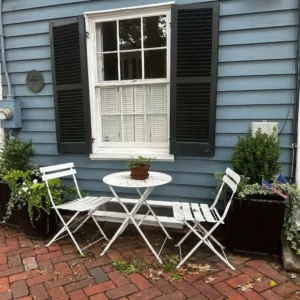
19. Style the Patio Like an Extension of the Living Room
Outdoor spaces deserve the same attention to scale and comfort as indoor rooms. Start with the pieces that determine how the space is actually used: seating, shade and a useful surface for drinks or meals.
Then add an outdoor-safe rug, plants and a small amount of lighting if they fit the space.
The Luxury Trick:Connect the patio to the room inside it. If your living room uses cream, natural wood and muted blue, repeat two of those elements outdoors. That visual connection makes the entire area feel more intentional.
For a small balcony where heat is a problem, see our guide on how to keep a small balcony cool and shaded in peak summer heat.
20. Give the Home One Light Summer Scent
Decor is not only visual. A subtle scent can change how a room feels, especially during warmer months.
Citrus, fresh herbs, green notes and light floral scents can work well. Choose one scent family rather than combining several strong fragrances.
The Luxury Trick:Keep the fragrance subtle. One good-quality candle, diffuser or room fragrance is usually more convincing than several competing scents placed throughout the same room.
Follow the manufacturer’s instructions for any candle, diffuser or fragrance product, particularly around children, pets and fabrics.
How to Make Summer Decor Look Expensive Without Spending More
This is the part that matters most when the budget is tight.
Do not spread a small decorating budget across twenty unrelated objects. Put it into changes that affect a large visual area or improve something you use every day.
| Decor Element | Where to Spend | Where to Save |
|---|---|---|
| Curtains | Correct length, width and good drape | Simple colors and affordable fabric |
| Pillows | Texture and fabric quality | Reuse existing inserts |
| Rug | Correct size and suitable material | Choose a simple flatweave |
| Flowers | A substantial vase | Use seasonal grocery-store flowers |
| Artwork | Frame and presentation | Use affordable prints |
| Patio | Comfort and shade | Keep decorative accessories limited |
The pattern is simple: spend where scale, comfort or presentation changes; save where the object is mainly decorative.
Three Summer Styles That Can Look Expensive Without Looking Themed
Soft Coastal
Use cream, pale blue, sandy beige, natural wood, linen and subtle references to the coast. Skip the obvious collection of shells and nautical signs. The feeling should be relaxed, not themed.
Fresh Botanical
Build around leafy green, natural wood, fresh flowers and one brighter accent. This style works especially well in neutral rooms because plants provide color and texture without requiring many accessories.
Warm Mediterranean
Try warm white, terracotta, olive green, aged ceramic, natural wood and textured linen. The combination feels sunny and relaxed while remaining grounded.
How to Refresh Your Home Without Rebuying Everything
Start with the room that feels most dated or visually heavy.
Remove a few things first. Then change one major textile, introduce one natural texture and repeat one accent color in two or three places. Only after that should you decide whether the room actually needs another purchase.
This approach also makes seasonal storage easier. Neutral pieces can move from summer into fall rather than being packed away after a few months.
When you are ready to make that transition, you can continue into our guide to cozy fall home decor ideas on a budget.
Make Summer Decor Work for the Rest of the Year
The best summer purchases do not have to look like summer purchases.
A linen cushion can work in fall. A ceramic vase can stay on the table all year. A natural-fiber rug can transition between seasons. Good pieces earn their place by working with more than one decorating scheme.
That is one reason restrained styling tends to feel more expensive. You are building a home around useful materials and pieces you genuinely like rather than collecting decorations for every season.
For renters, the same principle can be applied with removable and low-commitment changes. Our guide to damage-free holiday decorating ideas for renters covers additional ways to decorate without permanent changes.
Frequently Asked Questions
What are the best seasonal decor ideas for summer on a budget?
Start with large visual areas such as bedding, curtains, pillows and rugs. Then add one or two natural focal points, such as greenery, flowers, artwork or a sculptural ceramic piece. These changes usually have more impact than buying many small decorations.
How can I make cheap summer decor look expensive?
Focus on presentation. Correct scale, limited colors, natural-looking textures, useful objects and open space can make affordable pieces look far more intentional.
Do I need a beach theme for summer decorating?
No. Coastal is only one summer style. Botanical, Mediterranean, neutral and colorful interiors can all feel appropriate for the season without using obvious beach decorations.
What colors work best for summer home decor?
There is no single correct summer palette. Cream, pale blue, sage, leafy green, sandy beige, butter yellow, muted terracotta and soft coral can all work depending on the existing colors in your home.
How can I decorate a small patio on a budget?
Prioritize seating, shade and a useful surface first. Once those are working, add plants, an outdoor-safe rug or a small amount of lighting. Keeping the floor and walking area clear will usually make a small patio feel larger.
How often should I change seasonal decor?
There is no fixed schedule. Some homes benefit from one larger seasonal refresh, while others only need a few changes to textiles and accessories. Choose the approach that fits your storage space, budget and lifestyle.
When Summer Starts Turning Into Fall
You do not have to remove every summer piece as soon as temperatures begin to drop.
Keep the neutral linen, wood, ceramics and natural textures that still work. Then introduce warmer colors and heavier textures gradually.
When you are ready for a stronger seasonal shift, see our cozy fall home decor ideas on a budget.
And if you want to decorate for Halloween later in the season without losing the refined look, our Halloween home decor ideas for 2026 can help.
A Summer Home Does Not Need More Stuff
The biggest lesson from these summer decorating ideas is that an expensive-looking room is usually not the room with the most decoration.
It is the room where the choices make sense together.
A lighter fabric here. One strong piece of greenery there. A better-sized rug. A cleaner coffee table. One accent color repeated just enough to connect the room.
Those changes can completely alter how a space feels without requiring a new sofa, a complete furniture overhaul or a closet full of seasonal decorations.
Start with the room you use most. Make a few deliberate changes. Then live with them before buying anything else.