How to Make a Dark Living Room Without Natural Light Feel Bright (Step-by-Step)
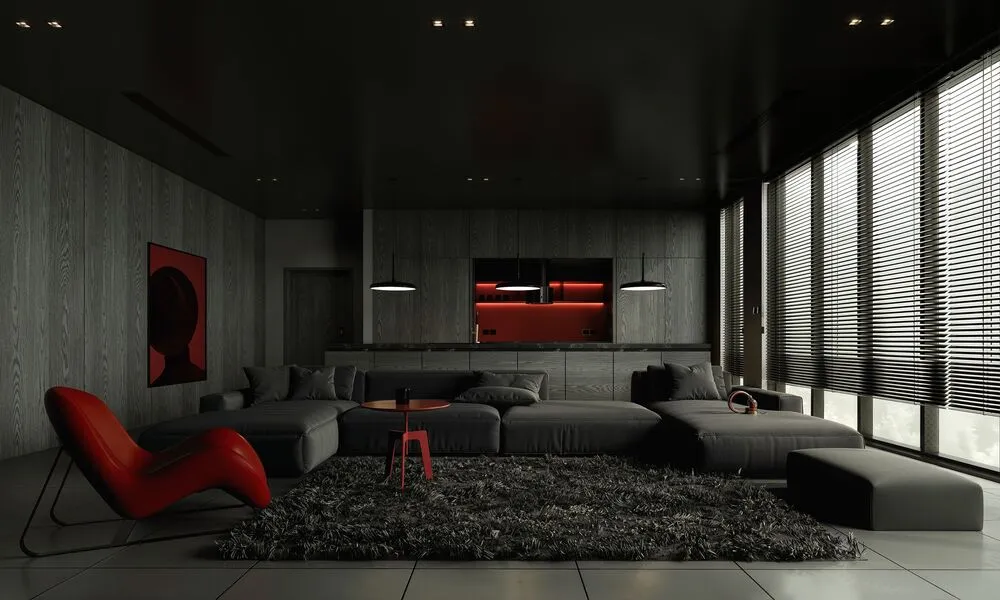
If your living room feels dark, cold, or cave-like, I know exactly how frustrating that is. You sit on the sofa after a long day, and instead of feeling cozy and relaxed, you feel a bit sad. Maybe you have tiny windows, windows that only face a dark alley, or a basement room with no windows at all.
When I moved into my previous flat in 2020, the living room had just one small window facing a brick wall. By 4 p.m., the space felt completely dead. I tried the classic advice of painting the walls bright white and adding a single floor lamp, but the room still felt cold and flat.
Through trial, error, and some budget-friendly testing, I learned that you do not need giant windows to make a space feel warm and open. This guide gives you a practical, step-by-step plan to make a dark living room without natural light feel bright, lively, and incredibly cozy.
Why a Dark Living Room Without Natural Light Feels So Heavy
Before we fix the room, we need to understand why it feels so gloomy in the first place. When a room lacks natural sunlight, it also lacks the dynamic movement of light throughout the day. Natural light bounces off surfaces, shifts in color, and creates soft shadows that give a room depth.
Without it, a room suffers from “flatness.” If you only use one central overhead light, you end up with harsh, cold shadows in the corners and a glaring bright spot in the middle of the room. This actually makes the space feel smaller and more restrictive.
To bring a dead room back to life, we have to manually recreate what nature left out. We do this by controlling how light is layered, how it bounces, and how it feels on the eyes.
Step 1: Add Three Layers of Light to Brighten a Dark Living Room
The biggest mistake I made in my old flat was relying on a single, super-bright ceiling fixture. It felt like an interrogation room. To fix this, you must use three distinct layers of light.
- Ambient Light (The Base): This is your general overhead lighting. Instead of one central bulb, opt for flush-mount fixtures with diffused shades that spread light evenly across the ceiling. If you are renting and cannot change the ceiling fixture, you can skip to the next two layers.
- Task Light (The Workhorses): This is light for specific activities, like reading or hosting. Put a sturdy floor lamp next to your favorite armchair and a small table lamp on an end table.
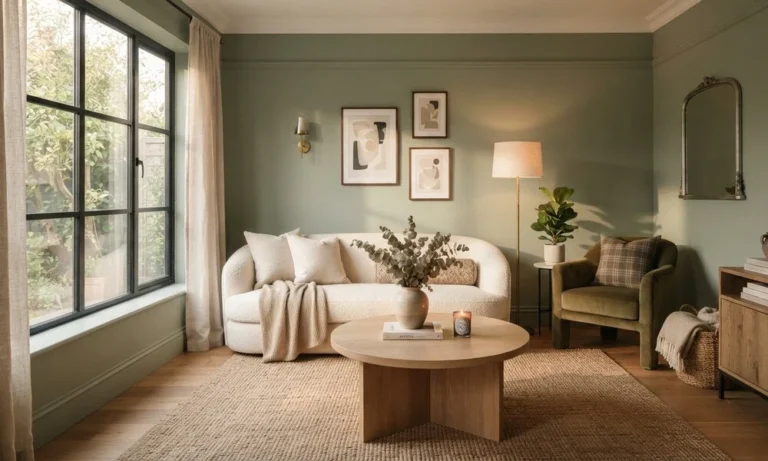
- Accent Light (The Glow): This is where the magic happens. Accent lights wash walls with soft light and eliminate dark corners. Use plug-in wall sconces, bookcase lighting, or LED strips hidden behind your TV console.
When I tested this three-layer setup, the room instantly felt larger. By placing lights at different heights, your eyes are drawn around the room rather than focusing on one bright, harsh spot.
Step 2: Choose the Right Bulbs and Colors for a Room Without Natural Light
Once you have your lamps in place, you need to buy the right bulbs. Most people grab the first “white” bulb they see, which often results in a space that looks like a sterile hospital clinic or a gloomy, yellow cave.
You need to look at two things on the bulb packaging: Lumens (how bright the bulb is) and Kelvins (the color temperature of the light).
- The Kelvin Rule: For a dark living room, aim for bulbs rated between 2700K and 3000K (often labeled “Warm White” or “Soft White”). Anything higher (like 4000K or 5000K) is too blue and cold. Anything lower than 2500K is too amber and muddy.
- The Lumens Rule: You want a total of about 2,000 to 3,000 lumens spread across your entire living room. A standard 60-watt equivalent LED bulb gives you about 800 lumens. This means three to four strategically placed lamps will easily hit your target.

Step 3: Use Wall Colors and Finishes That Don’t Make a Dark Room Worse
There is a massive design myth that painting a dark room pure white will make it look bright. I tried this, and my living room turned a depressing, muddy gray. Pure white paint needs natural light to bounce off of; without it, white simply looks shadowed and lifeless.
Instead of stark white, choose light, warm neutrals with yellow, peach, or beige undertones. Think cream, soft ivory, or a very pale warm gray. These tones catch the warm light from your lamps and reflect it back into the room, making the space feel cozier.
You should also pay close attention to the paint finish:
- Matte finish absorbs light, which can make a dark room feel flatter.
- Satin or Eggshell finish has a very soft, subtle sheen. It gently reflects the light from your lamps without creating a cheap-looking glare.
If you want more ideas for colors that work well in small or budget-friendly spaces, check out our guide on best living room color ideas on a budget.
Step 4: Place Furniture and Mirrors to Make a Dark Living Room Feel Open
How you arrange your furniture plays a massive role in how light moves through the space. If you block the path of your light sources with bulky, dark furniture, the room will instantly feel crowded and dim.
First, keep your largest furniture pieces—like the sofa and entertainment center—slightly away from the walls. Leaving even a two-inch gap allows light to slip behind the furniture, preventing heavy shadows from forming. Choose furniture with raised legs so light can pass underneath.
Second, use mirrors strategically. Do not just hang a mirror anywhere. Place a large mirror directly across from your brightest light source, such as a tall floor lamp or a beautifully lit bookshelf. The mirror will catch that artificial light and throw it deep into the darker parts of the room, instantly doubling your lighting efforts.

If you’re also dealing with limited space, you may find our small living room decor ideas on a budget that still look luxurious helpful for making your room feel bigger and more intentional.
Step 5: Budget vs. Better Options for Lighting a Dark Living Room
You do not need to spend thousands of pounds or dollars to fix a dark living room. Here is a quick comparison of how to tackle this based on your budget:
| Feature | Budget-Friendly Option | Better Long-Term Option |
|---|---|---|
| Accent Lighting | USB-rechargeable puck lights placed inside bookshelves or under cabinets ($15 / £12). | Hardwired, dimmable LED tape light channels installed into custom shelving ($150 / £120). |
| Task Lighting | Simple, adjustable metal floor lamps with warm white smart bulbs ($30 / £25). | Solid brass floor lamps with high-quality fabric shades that diffuse light beautifully ($120 / £100). |
| Wall Art | Light-colored canvas prints or framed light-toned posters ($20 / £15). | A large, oversized mirror with a thin metallic frame placed opposite your main lamps ($100 / £80). |
If you are on a tight budget, start with a pack of warm LED smart bulbs and a couple of affordable table lamps. You can slowly upgrade to nicer fixtures as your budget allows.
Common Mistakes That Keep a Dark Living Room Without Natural Light Looking Dead
Avoid these common slip-ups that I see homeowners and renters make all the time:
- Using only one bright light in the center of the ceiling. This casts long, harsh shadows downward, making the corners of the room look pitch black.
- Painting the walls cool, stark white. Without sunlight, pure white paint looks dirty, cold, and gray.
- Buying cool-toned bulbs (4000K+). These bulbs emit a blue hue that feels sterile and uninviting in a living space.
- Using dark, heavy drapes over small windows. Even if your window is small, do not block a single millimeter of the daylight you do have. Use sheer, light-colored curtains instead.
- Putting all your lamps on one side of the room. This leaves the other half of your living room completely in the dark, making the space feel off-balance and cramped.
Your Path to a Brighter, Cozier Space
You do not need massive bay windows or architectural skylights to enjoy a bright, happy living room. By taking control of your lighting and colors, you can easily transform even the darkest basement room into a warm and inviting sanctuary.
Start by setting up your three layers of light with warm, 2700K bulbs. Next, swap out any harsh cool colors for soft, warm neutrals, and place a mirror to bounce that new light around the room.
If you follow these steps, your dark living room without natural light can feel warm, open, and incredibly useful for real life.