10 Common Small Bedroom Design Errors That Secretly Shrink Your Space
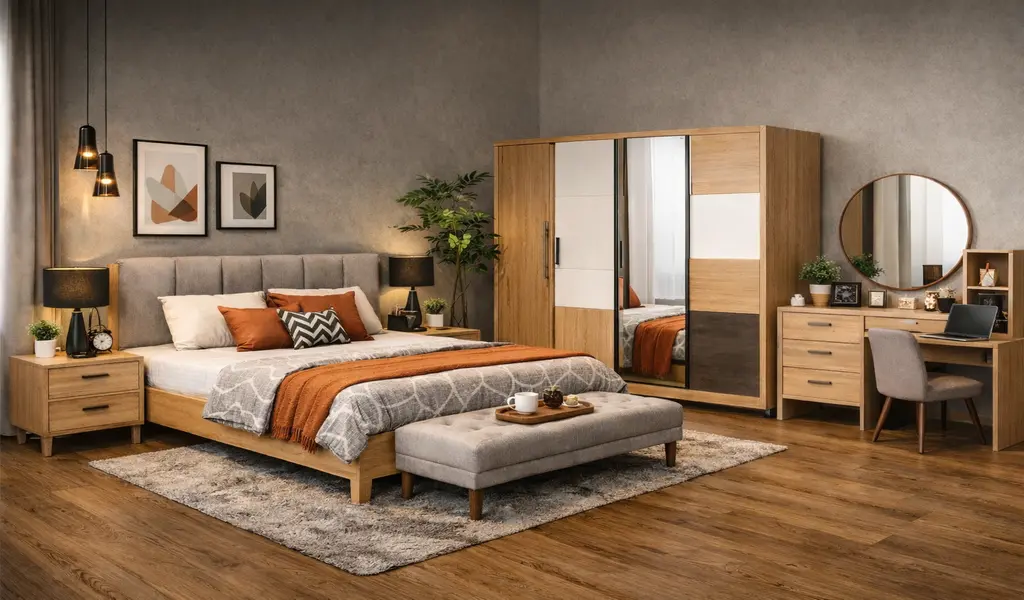
Decorating a small bedroom can be challenging, especially when every inch matters. One of the most common mistakes is using oversized furniture that overwhelms the room. Large beds, bulky dressers, and wide nightstands take up valuable floor space and make movement difficult. Interior designers recommend selecting compact, multifunctional furniture that fits the scale of the room while still offering comfort and storage.
Poor Lighting Choices
Lighting has a huge impact on how spacious a bedroom feels. Relying only on a single overhead light often creates harsh shadows and makes the room feel flat. Designers prefer layered lighting, such as bedside lamps, wall sconces, and soft ambient lights, to create depth and warmth. Natural light is equally important, so blocking windows with heavy curtains or tall furniture should be avoided.
Allowing Clutter to Build Up
Clutter instantly makes a small bedroom feel cramped and stressful. Too many decorative items, crowded shelves, and piles of clothing create visual chaos. Professional designers often use a minimalist approach by keeping surfaces clean and limiting decor to a few carefully selected pieces. Hidden storage options like under-bed drawers and storage benches help maintain a tidy appearance.
Ignoring Vertical Space
Many homeowners forget to use the vertical areas of the room. Empty walls can provide valuable storage and design opportunities. Floating shelves, tall cabinets, and wall-mounted lighting free up floor space while drawing the eye upward. This creates the illusion of a taller and more open room.
Using Dark Colors Everywhere
Dark paint colors and heavy textures can make a small bedroom feel enclosed when overused. Designers usually balance darker accents with lighter wall colors, mirrors, and reflective surfaces to brighten the space. Soft neutrals and natural tones often help compact bedrooms feel more airy and relaxing.
Poor Furniture Placement
Furniture arrangement plays a major role in how functional a bedroom feels. Many people push every piece against the walls, assuming it creates more space. However, this can sometimes make the room feel awkward and overcrowded. Designers focus on maintaining smooth traffic flow and leaving enough walking space around key furniture pieces.
Final Thoughts
A small bedroom does not have to feel limiting. Smart furniture choices, better lighting, and thoughtful organization can completely transform a compact space. Interior designers understand that creating a spacious feeling is not about the room’s actual size — it is about how the space is arranged and experienced. By avoiding these common design mistakes, you can make your bedroom feel larger, brighter, and far more comfortable