Rental Garden Ideas: Container Gardening & Plants Without Permanent Changes
Renting can make gardening feel more complicated than it needs to be.
You may not be allowed to dig up the yard, drill into a balcony wall, attach something to a fence, or build a permanent garden structure. And if you’re planning to move again, spending a lot of money on landscaping that you have to leave behind doesn’t make much sense anyway.
When I researched rental-friendly garden ideas for Cozy Luxury Home, I kept coming back to the same practical question: How can you make a rental feel greener and more inviting without changing the property itself?
The answer is surprisingly simple. Use things you can move.
Containers, plant stands, grow bags, freestanding trellises, and suitable railing planters can give you flowers, herbs, vegetables, greenery, and even some privacy without turning a temporary rental into a permanent landscaping project.
Container gardening also gives you more control over the growing conditions. Instead of working with whatever soil happens to be in the yard, you can choose the growing medium, container size, and location yourself.
Here are some rental garden ideas that focus on real rental limitations, not just pretty garden photos.
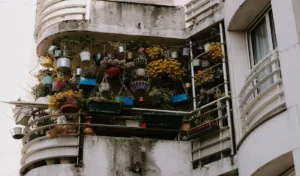
1. Start With Three Large Containers
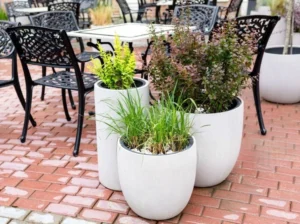
If your patio or balcony is completely empty, resist the urge to buy ten little pots.
Start with three.
Put one taller plant in the back, something fuller in the middle, and a smaller or trailing plant toward the front. The different heights make the arrangement feel more like a garden instead of a collection of random containers.
Large containers can also be easier to manage because they generally dry out more slowly than small ones. The RHS notes that larger containers can be easier to look after than lots of smaller containers.
Just remember that a large pot is also a large object to move. Resin, fiberglass, and good-quality plastic can be useful choices if you know you’ll eventually have to carry everything out of the property.
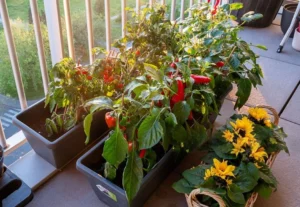
2. Put a Small Herb Garden Near the Kitchen
You don’t need a backyard vegetable patch to grow something useful.
A sunny spot near the kitchen door can hold a simple herb container with basil, thyme, rosemary, oregano, parsley, or chives.
Mediterranean herbs such as thyme and rosemary generally prefer sunny conditions and can work well together when their growing needs are similar.
A single trough can also look much tidier than a row of tiny nursery pots.
And there is something satisfying about being able to step outside and cut a few herbs for dinner.
3. Use Railing Planters If They’re Allowed
A balcony railing can provide useful growing space, but don’t assume you can attach anything to it just because you see other people doing it.
Check your lease or building rules first.
If railing planters are permitted, they can be a good option for herbs, trailing flowers, and other plants that don’t need a large root system. They also leave the balcony floor open, which matters when space is tight.
One small warning: make sure the planter is designed to fit the railing securely and that watering won’t cause problems for the balcony below.
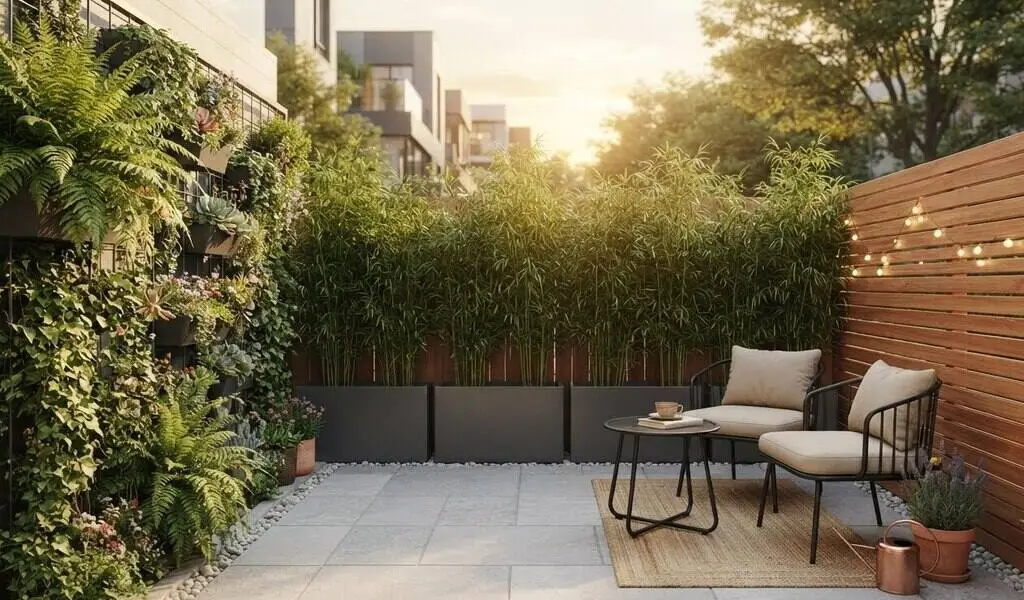
4. Make Privacy With Tall Potted Plants
A balcony can be perfectly comfortable and still feel too exposed.
Instead of drilling a privacy screen into a wall or fence, use tall plants in sturdy containers.
Line a few planters along the exposed side of the space. Use plants with upright or bushy growth, and leave enough room to move the containers when you need to.
A freestanding trellis can work too. Gardener’s Supply recommends portable structures such as freestanding trellises as one way renters can add vertical growing space without making permanent changes.
Just think about wind before choosing anything tall. A lightweight planter with a large leafy plant can become unstable in an exposed location.
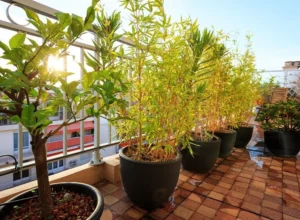
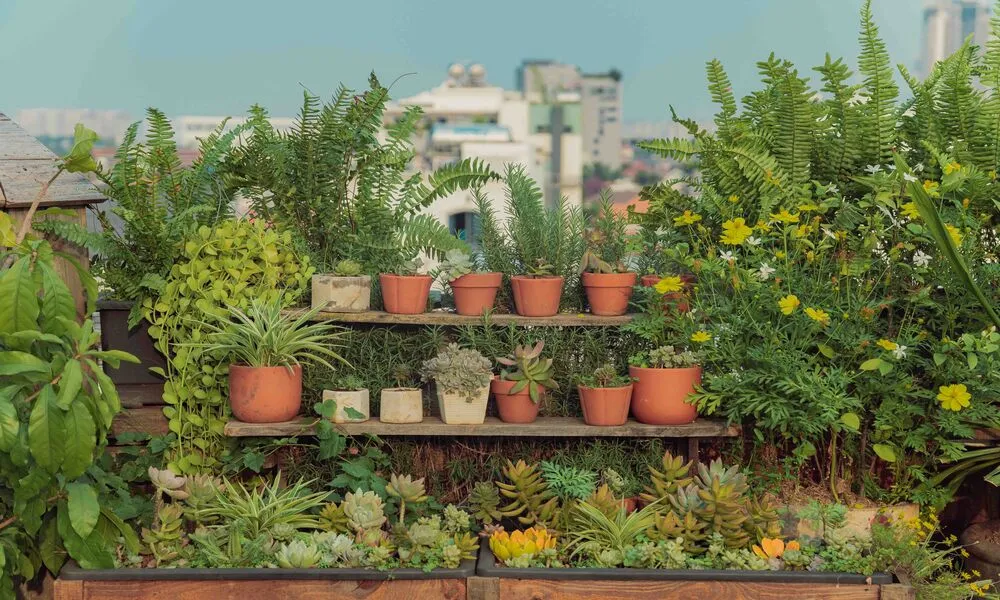
5. Turn One Corner Into a Vertical Garden
Small balconies run out of floor space quickly.
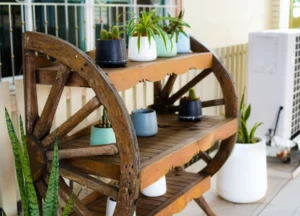
A freestanding plant stand gives you another option. Instead of spreading pots across the floor, stack several smaller containers vertically.
Keep plants with similar light requirements together. A sunny tier might hold herbs and flowering plants, while a shadier corner may be better for foliage plants that tolerate lower light.
The stand should remain freestanding if you’re trying to avoid permanent changes.
6. Grow Vegetables Without a Garden Bed
You can grow quite a bit of food in containers.
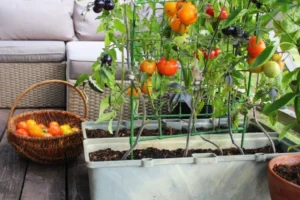
Tomatoes, peppers, lettuce, spinach, herbs, and several other crops can work in pots or grow bags when the container, light, water, and plant variety are right.
For a small balcony, look for compact or patio varieties rather than buying a full-sized plant that will quickly outgrow the space.
This is one place where the plant label is worth reading. Check the mature size before you buy.
7. Try Fabric Grow Bags
Fabric grow bags are worth considering if moving heavy planters sounds like a nightmare.
They are relatively easy to store when empty and can be used for vegetables and herbs. They’re particularly handy when you don’t want to invest in several large permanent-looking containers.
There is a catch.
Fabric sides allow more air movement, which can mean the growing medium dries out faster, especially during hot weather. If you’re away often or don’t want to water frequently, a self-watering container may be more practical.
8. Stop Fighting a Shady Balcony
Not every rental has a sunny outdoor space.
If a neighboring building blocks the afternoon sun or your balcony faces north, don’t build your entire garden around tomatoes and peppers.
Look for plants that actually tolerate lower light.
Ferns, hostas, and some begonias can be useful choices, depending on your climate and the amount of light available.
The important thing is to check the conditions before buying the plants. A plant can be perfectly healthy and still be completely wrong for your balcony.
9. Group Your Pots Instead of Scattering Them
This is a small change, but it can make a rental garden look much more intentional.
Instead of putting one pot in every available corner, create one or two groups.
Try one large container with two medium pots beside it. Add a smaller pot or trailing plant at the front.
The arrangement creates height and makes the garden feel like one area rather than several unrelated purchases.
If you’re working with a particularly small balcony, our small balcony and patio decor ideas on a budget guide has more ideas for making a tight outdoor space work without spending a fortune.
10. Add Flowers Without Planting a Flower Bed
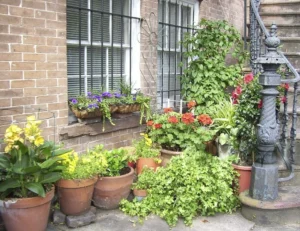
If you want the space to feel decorative, bring in flowers through containers.
Marigolds, zinnias, nasturtiums, violas, impatiens, and other suitable annuals can add seasonal color without requiring a permanent flower bed.
You don’t need every color either.
Repeating one or two colors across several pots can make a small garden feel more connected. Mixing flowers with green foliage also keeps the containers interesting after individual blooms fade.
11. Use a Freestanding Trellis for Climbers
A climbing plant can add height without turning a wall into a construction project.
Choose a freestanding trellis with a stable base and a plant that suits your climate and container.
This works particularly well when you want some vertical interest but don’t have much usable wall space.
There is one thing to watch: the taller the plant and trellis become, the more they can catch the wind. A narrow, top-heavy setup is not a good choice for an exposed upper-floor balcony.
Check your lease before adding any structure, even if it doesn’t require drilling.
12. Make Watering Easier With Self-Watering Containers
Some people don’t struggle with choosing plants. They struggle with remembering to water them.
Self-watering containers can help here. They include a water reservoir that allows the plant to draw on stored moisture.
That can be useful if you travel or simply don’t want to check every pot every day.
It isn’t a set-and-forget system, though. Container plants still need monitoring, especially during hot weather. How quickly a pot dries depends on its size, material, plant, location, and weather.
If you use self-watering containers, follow the manufacturer’s instructions and still pay attention to the condition of the plant.
13. Give a Plain Patio a Cottage-Garden Feel
You can create a softer, more collected look without matching every pot.
Try mixing a few container styles:
- One larger statement planter
- A terracotta-style pot
- A smaller flowering container
- A trailing plant
- A simple herb pot
The goal isn’t perfection.
A little variation can make the garden feel collected over time rather than bought as one matching set.
Just don’t let appearance override the basics. Every container still needs suitable drainage, enough room for the plant, and a location that matches its light needs.
14. Put Larger Pots on Plant Caddies
Large containers become much harder to move once they’re full of growing medium and water.
A plant caddy with wheels can make that easier.
This is useful if you occasionally need to move a plant for cleaning, sunlight, bad weather, or a property inspection.
You don’t need every pot on wheels. Use them for the containers you know you’ll need to reposition.
And don’t forget that wheels don’t make a heavy planter safe to move on every surface. A loaded container still needs careful handling.
15. Keep Your Edible Garden Small
You don’t have to grow everything.
One tomato plant, a pot of basil, some rosemary, and a container of leafy greens may be enough.
That small setup can give you something useful to harvest without turning your rental patio into a full-time gardening project.
For a first attempt, growing a few things you’ll actually eat makes more sense than buying plants simply because they look good together.
How to Choose Containers for a Rental
The best rental planter isn’t necessarily the prettiest one.
Think about four things before buying.
Drainage
A container needs drainage holes so excess water can escape.
If you find a decorative pot you love but it doesn’t have a drainage hole, use it as an outer container with a separate nursery pot inside rather than keeping the plant sitting in stagnant water.
Weight
Think about the weight after the container is filled.
A large ceramic or concrete planter can become extremely heavy once you add growing medium and water. That’s important on balconies and also important when moving house.
If you’re renting an apartment, check the building’s rules and any stated balcony weight limits before adding several large planters.
Size
The plant should determine the container size.
A tiny pot may dry out quickly, while a huge container isn’t automatically better for a small plant.
Check the plant’s expected mature size and container recommendations before buying.
Portability
Ask yourself one question:
Could I move this if I had to?
If the honest answer is no, think twice before making it the centerpiece of a rental garden.
Pick Plants Based on the Light You Actually Have
The empty space can be misleading.
A balcony that looks bright to your eyes may receive very little direct sunlight. A west-facing balcony can have the opposite problem and become extremely hot in the afternoon.
Before buying plants, pay attention to when direct sunlight reaches the area.
Full sun
Sunny locations can work for many herbs, tomatoes, peppers, and flowering plants, provided they are suited to your local climate.
Partial sun
Leafy greens, some herbs, and many flowering plants can work in spaces that receive several hours of sun but not constant afternoon exposure.
Shade
Choose plants that tolerate lower light rather than trying to force sun-loving crops into a dark corner.
Your local climate matters too, so use the plant label as a starting point rather than assuming a plant will perform the same way everywhere.
Use Potting Mix Instead of Digging Up the Yard
A rental container garden doesn’t need the property’s existing soil.
Use a suitable potting mix or growing medium intended for containers. Ground soil can behave differently when confined to a pot, while container mixes are designed with the restricted root environment in mind.
This is one of the biggest advantages of container gardening for renters.
You don’t have to improve the entire yard.
You only have to give your plants a suitable place to grow.
Water According to the Plant and Weather
Don’t decide that every container needs water every morning.
A small pot in hot afternoon sun may dry out much faster than a large container sitting in morning shade.
Check the growing medium and the plant before watering.
Also watch what happens after you water. A container should drain properly, but water running straight through the pot doesn’t necessarily tell you whether the root zone has received enough moisture.
During hot weather, check containers more often. Your spring watering routine may not work once summer temperatures arrive.
Check Your Lease Before Setting Up the Garden
This is the boring part, but it can save you trouble later.
Look for rules covering:
- Drilling or attaching items to walls
- Balcony railing attachments
- Outdoor structures
- Landscaping changes
- Balcony weight limits
- Water drainage
- Privacy screens
- Outdoor lighting
A freestanding pot may be acceptable while a railing planter or trellis may not be.
If the lease isn’t clear, ask the landlord or property manager before installing anything.
Keep Water From Becoming a Rental Problem
Your plants need water.
Your neighbor’s ceiling does not.
Make sure containers drain in a way that won’t damage the surface or send water onto another balcony or walkway.
Use suitable saucers or trays where they make sense, and pay attention to where excess water goes after you irrigate.
A renter-friendly garden should be easy to remove, but it should also be considerate of the property while you’re living there.
Make Moving Day Easier
The nice thing about container gardening is that the garden doesn’t have to stay behind.
The difficult part is moving it.
Smaller containers can be grouped together in sturdy boxes or crates. Larger planters need more planning, especially after they’re full of growing medium and water.
Don’t try to carry a heavy planter by yourself just because it technically fits through the door.
If you’re moving several plants, protect the foliage from being crushed and keep them from rolling around during transport.
And remember that your new rental may have completely different light conditions. A plant that was happy beside your old kitchen door may need a new location after the move.
Common Rental Garden Mistakes
Buying too many tiny pots. A few larger containers are often easier to manage.
Ignoring drainage. A beautiful container still needs somewhere for excess water to escape.
Choosing plants before checking sunlight. The plant has to suit the location, not the other way around.
Forgetting wind. Tall plants and lightweight containers can become unstable on exposed balconies.
Overloading a balcony. Check building rules before bringing in multiple large planters.
Attaching things without permission. No-drill options are available, so don’t risk a deposit over a small hole.
Using the same watering routine for everything. Container size, plant type, sunlight, temperature, and weather all affect watering needs.
Trying to recreate a homeowner’s garden. A rental garden works better when it is designed around portability.
What If You Also Have a Backyard?
Not every renter is limited to a balcony.
If your rental includes a backyard, you have more room to play with, but the same principle still applies: avoid spending heavily on changes you may have to leave behind.
Container groupings, movable furniture, portable planters, and temporary decorative elements can make a rental backyard feel finished without committing to permanent landscaping.
If you’re working with a larger outdoor space and want more budget-friendly inspiration, see our guide to backyard ideas on a budget that look stunning.
Frequently Asked Questions
What are the best rental garden ideas for a small balcony?
Start with a few containers instead of trying to fill every corner. A large planter, a tiered plant stand, and a small herb container can give you different heights while keeping the floor relatively open.
Can renters grow vegetables without planting in the ground?
Yes. Tomatoes, peppers, lettuce, spinach, herbs, and other crops can be grown in suitable containers. Choose the plant and container according to the available light and mature plant size.
What plants are easiest to grow in rental containers?
There isn’t one list that works everywhere. Climate, sunlight, container size, and watering all matter. Herbs, leafy greens, flowering annuals, and compact vegetables can be good starting points when they match your conditions.
How can I create a rental garden without drilling?
Use freestanding containers, plant stands, suitable railing planters where permitted, portable trellises, and other temporary solutions. Always check your lease before attaching anything to the property.
Are self-watering planters worth using?
They can be useful for renters who travel or have trouble maintaining a regular watering routine. They still need monitoring, especially during hot weather.
Can I put plants on an apartment balcony?
Usually the answer depends on your building rules and lease. Check requirements for weight, railing attachments, drainage, and outdoor structures before setting up a balcony garden.
What should I use instead of garden soil in containers?
Use a suitable potting mix or growing medium designed for container plants. Don’t assume soil from the yard will behave the same way inside a pot.
How do I make a rental garden look better without spending much?
Start small. Group a few containers, repeat one or two colors, vary the plant heights, and use one larger planter as an anchor. You don’t need dozens of plants to make a small outdoor space feel intentional.
Final Thoughts
A rental garden doesn’t have to look temporary.
It just needs to be built differently.
A few large containers can soften a plain patio. Herbs by the kitchen door can make the space useful. A plant stand can turn an empty balcony corner into a vertical garden, while tall potted plants can give you some privacy without drilling into a wall.
The best part is that none of these ideas require you to leave your garden behind when the lease ends.
Start with the light you have. Choose plants you can realistically care for. And before buying anything large, ask yourself whether you’ll be able to move it later.
That’s the advantage of a rental garden: you can make the space feel like yours without making permanent changes to someone else’s property.
A Note Before You Start
These ideas are based on established container-gardening and practical design guidance, but rental rules and building requirements vary. Check your lease, ask your property manager about restrictions, and follow any stated balcony weight and safety requirements before setting up heavy planters or attaching anything to the property.